


I. Introduction: When the Path Gets Blocked 🛑
There are periods when orgasm feels completely out of reach—not from lack of understanding or adequate stimulation, but because invisible barriers stand between the body and sexual response. Stress kills arousal before it can build. Medication side effects make climax feel impossibly distant. Relationship tension creates walls that no technique can break through.
Learning to identify and address these barriers can transform sexual experiences more than any technique or tip ever could. The obstacles to orgasm often have nothing to do with what's happening in the bedroom and everything to do with what's happening in the brain, body chemistry, stress levels, and emotional state.
Understanding barriers to orgasm isn't about finding blame for sexual difficulties. It's about recognizing that sexual response depends on multiple interconnected systems—physical, psychological, relational, and situational—and that obstacles in any of these areas can interfere with the body's ability to build and release sexual tension.
The key insight: addressing barriers often matters more than perfecting techniques. You can know exactly what stimulation works, but if stress hormones are flooding the system, if medication is dampening neural responses, or if unresolved trauma is triggering the nervous system's alarm bells, that knowledge won't be enough.
This isn't about accepting sexual difficulties as permanent or inevitable. Most barriers to orgasm can be addressed, adapted to, or overcome with the right approach and support.
II. The Stress-Sexual Response Connection 🔥💧
The Flame and Water Metaphor
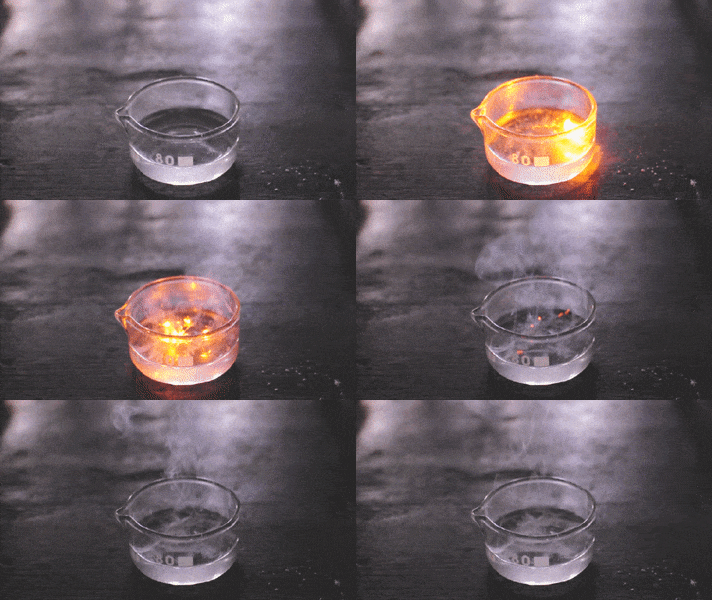
🔥 "Stress will kill an orgasm like it's pouring water on a flame."
Even when there's "a small little candle burning" that could grow into "a large fire," stress can "completely extinguish it." This visceral metaphor captures the immediate and total way stress can shut down sexual response.
Chronic stress is perhaps the most common and underestimated barrier to orgasm. The same neurological systems that create sexual response are disrupted by stress hormones, making it difficult or impossible to build and release sexual tension regardless of physical stimulation.
How Stress Disrupts Sexual Response
Chronic stress elevates cortisol, which directly suppresses sex hormones, including testosterone and estrogen. High cortisol also disrupts the neurotransmitter systems (dopamine, oxytocin) necessary for sexual arousal and orgasm. Most critically, stress keeps the brain in threat-scanning mode, a state completely incompatible with the surrender required for pleasure.
The stress response affects blood flow, reducing circulation to sexual organs when the body prioritizes survival over pleasure. It creates chronic muscle tension, particularly in the pelvis and core, making orgasmic contractions difficult or uncomfortable. Even breathing patterns change under stress, becoming shallow and anxious rather than the deep, rhythmic breathing that supports sexual response.
The Stress-Sex Paradox ♻️
Here's the puzzle: "orgasms and a healthy sex life" help manage stress, yet stress prevents the very sexual experiences that could provide relief. Breaking this cycle requires deliberate strategies to manage stress before and during sexual experiences.
Identifying Stress as a Barrier
Stress-related sexual difficulties often coincide with major life circumstances—work pressure, relationship conflict, financial worry, health concerns, or major life changes. Each of these creates a background hum of anxiety that makes it nearly impossible for the nervous system to shift into a receptive state for sexual pleasure.
The physical signs that stress is interfering with sexual response are often subtle but consistent. The mind wanders during sexual activity, unable to stay focused on physical sensations. There's an inability to "get out of your head," a feeling of being rushed or impatient even when there's adequate time, and arousal that builds promisingly but then fades quickly. The difficulty focusing on sensations becomes a frustrating cycle—the more you try to concentrate, the more elusive focus becomes.
"When I was in training, I had zero libido—none whatsoever."
This experience of survival mode, long hours, "sheer exhaustion," and likely "elements of depression and anxiety" completely flattened arousal. "Now that I'm post-training," with older children and better stress compartmentalization, sex is "much more fulfilling and rewarding."

Addressing Stress-Related Barriers
Immediate strategies can make a significant difference. Creating a pre-sex decompression period of just 5-10 minutes provides a buffer zone between daily stress and intimate moments. Deep breathing exercises help shift the nervous system from stress response to receptivity. Timing optimization means choosing moments when stress is naturally lower rather than forcing intimacy during peak pressure periods. Present-moment focus through mindfulness techniques can help anchor attention in physical sensation rather than anxious thoughts.
Long-term solutions require addressing the sources of chronic stress. This might involve boundary-setting in work and life, developing regular stress management practices, seeking therapy for chronic stress patterns, or making lifestyle modifications that reduce overall stress load. The investment in stress reduction pays dividends not just in sexual satisfaction but in overall well-being.
III. Psychological and Emotional Barriers 🧠
Performance Anxiety and Spectatoring
"Performance anxiety has a huge effect on your ability to orgasm."
This creates a destructive cycle where worry about sexual performance interferes with the very sexual response being sought. It manifests as "spectatoring"—watching yourself from outside your body during sexual activity, monitoring your arousal level, evaluating your performance rather than experiencing pleasure.
"You're more likely to achieve it if you're not hyper-focused on it."
Better to emphasize connection with your partner, focus on their pleasure, and appreciate pleasure that doesn't quite reach orgasm rather than fixating on climax. The paradox is that releasing attachment to the outcome often makes the outcome more likely.
The Acceptance Approach 🤲
"There are some times where it's just not going to happen," especially when too stressed or dealing with too many things related to kids, the house, or business; "the best thing to do is just accept your losses."
This acceptance isn't defeat—it's wisdom.
"Freaking out, getting emotional about it" breaks concentration; anything that breaks concentration and has you focusing on non-sexual things can “ruin an orgasm."
Body Image and Self-Acceptance
Negative body image interferes by keeping attention on self-consciousness rather than pleasure. Common triggers include pregnancy changes, aging, weight fluctuations, illness or injury, and increasingly, social media comparisons. Each of these can create a mental split—part of the mind engaged in sexual activity while another part monitors and critiques appearance.
The work isn't necessarily about achieving complete body love. Often, developing body neutrality—simply reducing the volume of negative self-talk during sexual experiences—can be enough to allow fuller engagement with physical pleasure.
Emotional Spillover
I do romance writing," and if thinking about "sad elements" of the stories occurs, "that can completely kill an orgasm or any sort of arousal" because of becoming "too emotional.
This illustrates how any strong emotion—not just anxiety or stress—can interfere with sexual response. The neurological systems involved in processing intense emotions can override those involved in sexual arousal, making it impossible to maintain the delicate balance required for building toward climax.
Trauma and Sexual Response
Past trauma can create complex barriers through multiple mechanisms. Hypervigilance keeps the nervous system in constant threat-scanning mode. Dissociation creates a sense of leaving the body during sexual activity. Intrusive memories or flashbacks can suddenly interrupt arousal. Physical tension acts like body armor, preventing the relaxation necessary for sexual response.
These aren't conscious choices but automatic protective responses. The nervous system, shaped by trauma, responds to the vulnerability of sexual arousal as a potential threat, shutting down the very responses that could lead to pleasure and connection.
_Dealing With Sexual Trauma and Psychological Impacts
IV. Medical and Physical Barriers 💊
Medication Effects
"Medications have a profound effect."
SSRIs, including classes used for premature ejaculation, "are used to stop people from having an orgasm," and the effect is "dose-dependent."
The most common culprits include antidepressants (SSRIs/SNRIs), with up to 70% of users experiencing sexual side effects. Blood pressure medications affect circulation to sexual organs. Antihistamines can cause drying effects that impact arousal. Pain medications suppress nervous system function, including sexual response pathways.
Important: The dose-dependent nature means "even small changes can have a tremendous effect on orgasm."
This offers both challenge and hope—while medications can significantly impact sexual function, careful dose adjustments under medical supervision might restore sexual response while maintaining therapeutic benefits.
Hormonal Factors
Hormonal imbalances create significant barriers by affecting the neurochemical systems necessary for sexual response. Low estrogen reduces lubrication and tissue sensitivity, making arousal physically uncomfortable. Low testosterone affects libido and motivation, reducing both desire and response capacity. Thyroid dysfunction impacts energy and overall sexual function in complex ways.
Birth control suppresses natural hormone cycles and may reduce sexual response in some users. The postpartum and breastfeeding periods involve hormonal changes that actively suppress sexual interest and response—nature's way of spacing pregnancies. Perimenopause and menopause bring declining hormones that affect multiple aspects of sexual function, though these changes are highly individual and often treatable.
Physical Health Conditions
Multiple medical conditions create barriers to sexual response through various mechanisms. Diabetes affects both circulation and nerve function, creating a double impact on sexual response. Cardiovascular disease reduces blood flow to sexual organs, limiting engorgement and sensitivity. Neurological conditions like MS can disrupt the nerve pathways that carry sexual signals between the genitals and the brain.
Chronic pain affects sexual response both through physical discomfort that makes positioning difficult and through pain medications that suppress sexual function. Autoimmune conditions involve inflammation and fatigue that can significantly reduce both sexual interest and physical response capacity. Each of these conditions requires tailored approaches to maintain sexual health alongside disease management.
Pelvic Floor Dysfunction
The pelvic floor muscles are directly involved in orgasmic contractions, and dysfunction in these muscles can create significant barriers. Muscles that are too tight (hypertonic) can make orgasmic contractions painful or impossible—like trying to squeeze an already clenched fist. Muscles that are too weak cannot generate the rhythmic contractions necessary for satisfying orgasm.
Pelvic floor dysfunction can result from pregnancy and childbirth, surgery, chronic constipation, chronic coughing, high-impact exercise, or chronic stress and anxiety that creates persistent pelvic tension. Specialized pelvic floor physical therapy can address these issues through targeted exercises, manual therapy, and education about proper pelvic floor function.
V. The Reset Strategy 🔄
Understanding Activation Energy
Once the "activation energy" dissipates, "rebuilding it is not possible" in that moment. The body has a refractory period not just after orgasm, but also after arousal dissipates without climax. Understanding this prevents the frustration of trying to push through when the physiological conditions for arousal are temporarily unavailable.
The Complete Reset Approach
"The best thing to do is just accept your losses."
The strategic reset process involves first calming and breathing to release tension. Then, accepting that "it's not going to happen" right now—releasing all pressure and expectation. Next, stopping completely—ceasing all physical stimulation rather than desperately trying to maintain fading arousal.
After stopping, switch to mental interaction with your partner—talk, connect, laugh, build emotional intimacy without sexual pressure. Finally, when both nervous systems have returned to baseline, "start again with physical stimulation" from a fresh beginning.
This reset isn't giving up—it's strategic. By completely stopping and allowing the nervous system to return to baseline, you create conditions for arousal to build again from a fresh starting point rather than trying to resuscitate dying arousal.
Creating Reset-Friendly Environments
"Creating an environment where you're able to concentrate" is key for "a satisfying sexual experience."
This means minimizing distractions by putting phones away and completing urgent tasks beforehand. Ensuring physical comfort through appropriate temperature, lighting, and positioning. Establishing emotional safety with partners through communication and trust. And, crucially, having sufficient time without the pressure of rushing.
VI. Relationship and Communication Barriers 💑
Partner-Related Factors
"If I bring thoughts of stress into interactions with my partner," or anxiety is present that day, sometimes "you just can't overcome that," and pressure to please or "to have a gratifying sexual experience" actually makes it even more stressful.
This illustrates how partner dynamics can create their own barriers. Partners who show disinterest in your pleasure, focus only on their satisfaction, create pressure around orgasm timing, or struggle with communication about needs can all interfere with sexual response. The pressure to perform for a partner's satisfaction can become another layer of stress that prevents the very satisfaction being sought.
Communication Difficulties
Many people struggle to express sexual preferences, fearing they'll hurt their partner's feelings or be judged for specific needs. The shame about particular desires combines with a lack of sexual vocabulary to create silence where communication is most needed. This communication gap means partners often operate on assumptions rather than knowledge, missing opportunities for much more satisfying experiences.
Cultural and Religious Messages
Internal barriers often stem from deeply ingrained cultural or religious messages. Sexual shame, guilt around pleasure, family taboos, and lack of comprehensive education can create powerful internal resistance to sexual response. These messages might manifest as difficulty giving yourself permission to experience pleasure, guilt about sexual desires, or unconscious holding back during sexual experiences.
VII. Addressing Multiple Barriers Simultaneously 🎯
Creating a Barrier Assessment
Sexual difficulties often involve multiple interconnected barriers rather than single causes. A comprehensive assessment requires honest evaluation of physical health and medication effects, including any recent changes in medications or health status. Mental health and stress levels need examination—both acute stressors and chronic patterns. Relationship factors and communication patterns often reveal hidden obstacles. Life circumstances and situational stressors provide context for sexual difficulties. Past experiences and trauma history may influence current sexual response in subtle ways.
Keeping a journal that tracks sexual experiences alongside mood, stress levels, medications, and life circumstances can reveal patterns that aren't obvious in the moment.
Developing Integrated Solutions
Start with the most immediately addressable barriers while seeking support for more complex issues. Stress management techniques can be implemented today—deep breathing, mindfulness, or exercise don't require appointments or prescriptions. Meanwhile, schedule medication consultations to discuss sexual side effects with prescribing physicians. Begin partner communication about sexual needs and barriers in non-sexual contexts. And seek professional support for issues that require specialized expertise.
Progress in one area often supports improvement in others. Reducing stress might improve communication with partners. Better communication might reduce performance anxiety. Addressing medication side effects might restore confidence that reduces emotional barriers.
Professional Support Team
Complex sexual difficulties often benefit from multidisciplinary support. Medical providers address physical health conditions and medication-related barriers. Mental health professionals help with psychological barriers, stress, and trauma. Sex therapists specialize in integrating physical, emotional, and relational aspects of sexual health. Pelvic floor physical therapists address muscular dysfunction that affects sexual response.
Finding providers who take sexual health seriously and understand the interconnected nature of sexual difficulties is crucial. Sexual concerns are legitimate health issues deserving competent, compassionate professional attention.
VIII. Building Your Sexual Resilience 💪
Developing Body Awareness
Learning to recognize early signs that barriers are emerging allows for proactive responses rather than reactive frustration. This means noticing stress signals before they become overwhelming, recognizing medication effect patterns to optimize timing, tracking arousal variations across your cycle or life circumstances, monitoring energy level changes that affect sexual interest, and observing emotional response shifts that might signal emerging barriers.
This awareness isn't about hypervigilance or obsessive monitoring. It's about developing a gentle, curious attention to patterns that helps you understand and work with your body rather than against it.
Creating Supportive Conditions
Building sexual experiences that support rather than challenge the nervous system increases the likelihood of a satisfying sexual response. This involves managing stress proactively rather than hoping it won't interfere, communicating needs clearly before and during sexual experiences, adapting approaches flexibly based on current reality rather than forcing predetermined scripts, and working with your current reality rather than fighting against it.
Maintaining Perspective
Sexual difficulties are often temporary—stress periods end, medications can be adjusted, and relationships improve. Most barriers are treatable with appropriate medical, therapeutic, or lifestyle interventions. Solutions exist, though they require patience with the process of identifying and addressing complex, interconnected factors. And importantly, support is available—you don't have to navigate these challenges alone.
Final Wisdom: Sexual response depends on complex interactions between physical health, mental state, relationships, life circumstances, and medical treatments. Recognizing and addressing these barriers with appropriate support and strategies can restore and enhance capacity for sexual pleasure and satisfaction.
Next up: In Issue 8, we'll explore "Pain, Trauma & Silent Suffering" 💔—addressing the intersection of physical pain and emotional trauma in sexual experiences, including conditions like vaginismus and dyspareunia, and trauma-informed approaches to sexual healing.
